$45.00
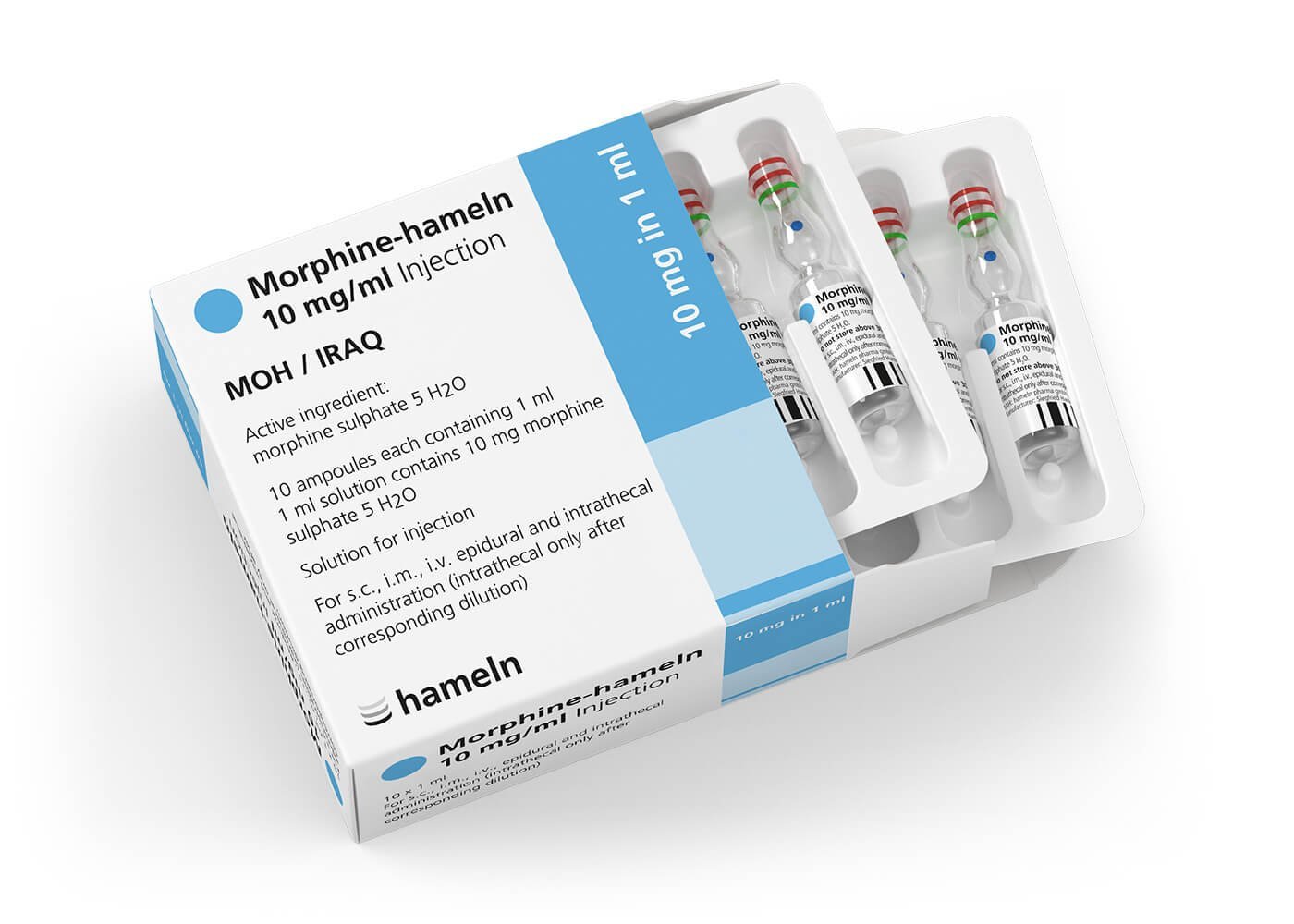
Strength: Common ampoules contain 10 mg/1 mL (10 milligrams of morphine sulfate per milliliter of solution).
Routes of Administration:
buy Morphine Ampoule 10 mg. Morphine is a potent opioid analgesic used primarily for the management of severe pain that is not responsive to non-opioid pain relievers. Common clinical uses include:
Acute Pain: Post-operative pain, major trauma, or burns.
Chronic Pain: Cancer-related pain or palliative care (end-of-life comfort).
Cardiac Events: Pain and anxiety associated with acute myocardial infarction (heart attack).
Anesthesia: Used as a pre-anesthetic medication or as an adjunct during anesthesia.
2. Dosage and Administration
Note: Dosing is highly individual. Doctors calculate the specific dose based on the patient’s weight, age, pain severity, and history of opioid use.
Strength: Common ampoules contain 10 mg/1 mL (10 milligrams of morphine sulfate per milliliter of solution).
Routes of Administration:
Intravenous (IV): Must be administered very slowly (over 4–5 minutes). Rapid injection can cause chest wall rigidity and severe hypotension. It is often diluted with saline before administration.
Intramuscular (IM): Injected deep into the muscle.
Subcutaneous (SC): Injected under the skin.
Typical Adult Starting Dose (Acute Pain):
IV: 2.5 mg to 5 mg every 3–4 hours (titrated to effect).
IM/SC: 5 mg to 10 mg every 4 hours.
3. Key Side Effects
Morphine depresses the central nervous system. Effects can range from mild to life-threatening.
Most Dangerous: Respiratory Depression (slow, shallow breathing) is the primary cause of death in overdose.
Common:
Nausea and vomiting (very common).
Constipation (almost universal with ongoing use).
Drowsiness, sedation, and dizziness.
Hypotension (low blood pressure) and bradycardia (slow heart rate).
Pruritus (itching), often due to histamine release.
Urinary retention (inability to pass urine).
Miosis (pinpoint pupils).
4. Contraindications (Who should NOT take it)
Morphine should not be administered to patients with:
Respiratory Depression: Significant slowing of breath or acute bronchial asthma.
Gastrointestinal Obstruction: Specifically paralytic ileus (blocked bowel), as morphine slows bowel movements further.
Head Injury: It can mask signs of increasing intracranial pressure and interfere with neurological assessments.
MAO Inhibitors: Patients taking monoamine oxidase inhibitors (a type of antidepressant) within the last 14 days.
5. Critical Safety Warnings
Antidote: Naloxone (Narcan) is the specific antidote used to reverse respiratory depression in the event of an overdose. It should always be available when IV morphine is administered.
Addiction Risk: Morphine has a high potential for abuse and physical dependence.
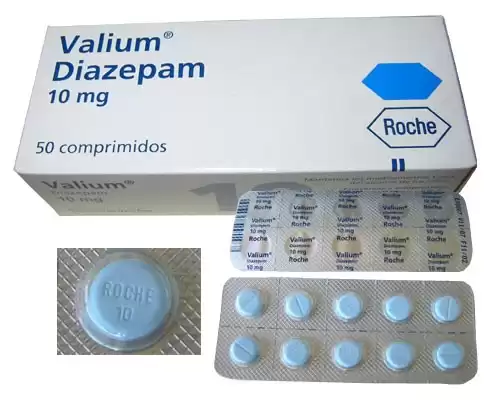
Drug Interactions: Extreme caution is required if the patient is also taking benzodiazepines (e.g., Xanax, Valium) or alcohol, as the combination can lead to fatal respiratory failure.