$125.00 – $650.00Price range: $125.00 through $650.00
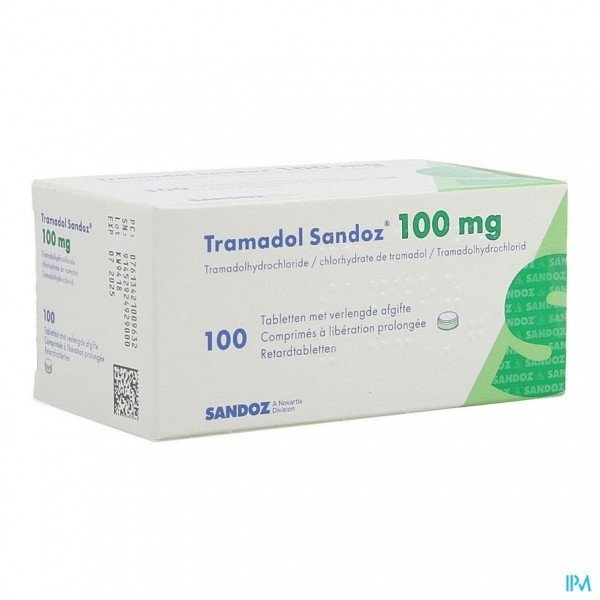
Tramadol is used for the short-term relief of severe pain. It should only be used when other forms of non-opioid pain relief have not been successful in managing pain or are not tolerated. Tramadol is not usually recommended for the treatment of chronic (long-term) pain.
Buy Tramadol online. Tramadol is a prescription opioid analgesic (pain reliever) primarily used to manage moderate to moderately severe pain. It is an atypical opioid, meaning it works by changing how your brain senses pain, similar to other opioids, but also affects chemical messengers (serotonin and norepinephrine) similar to some antidepressants.
Here are the specific medical uses and forms:
Tramadol is generally prescribed when over-the-counter pain relievers (like acetaminophen or ibuprofen) are not strong enough to relieve the pain.
Acute Pain: Used for short-term relief of sudden pain, such as pain following surgery (post-operative), dental procedures, or traumatic injury (broken bones, severe sprains).
Chronic Pain: Used for long-term management of persistent conditions, such as osteoarthritis, severe back pain, or fibromyalgia.
Neuropathic (Nerve) Pain: Because of its dual mechanism (acting on both opioid receptors and serotonin/norepinephrine), it is sometimes used to treat nerve pain (neuropathy), which standard opioids may not treat as effectively.
The “use” often depends on which form of the drug is prescribed:
Immediate-Release (IR):
Usage: Taken every 4 to 6 hours as needed.
Purpose: Rapid relief for sudden spikes in pain (breakthrough pain) or acute injury.
Extended-Release (ER):
Usage: Taken once daily (every 24 hours).
Purpose: Around-the-clock management for chronic pain conditions where consistent pain control is necessary.
While not the primary indication, doctors sometimes prescribe tramadol for:
Restless Legs Syndrome (RLS): For severe cases that have not responded to other medications.
Because Tramadol is an opioid (controlled substance), it carries significant risks:
Dependence & Addiction: Even at prescribed doses, long-term use can lead to physical dependence.
Seizure Risk: Tramadol can lower the seizure threshold, making it risky for patients with a history of epilepsy or head injuries.
Serotonin Syndrome: Since it increases serotonin levels, taking it with antidepressants (SSRIs/SNRIs) can cause a dangerous condition called serotonin syndrome.
Drowsiness: It frequently causes dizziness and sedation; driving or operating heavy machinery is often unsafe while taking it.